How to Pack Fragile Items for a Move: Step-by-Step

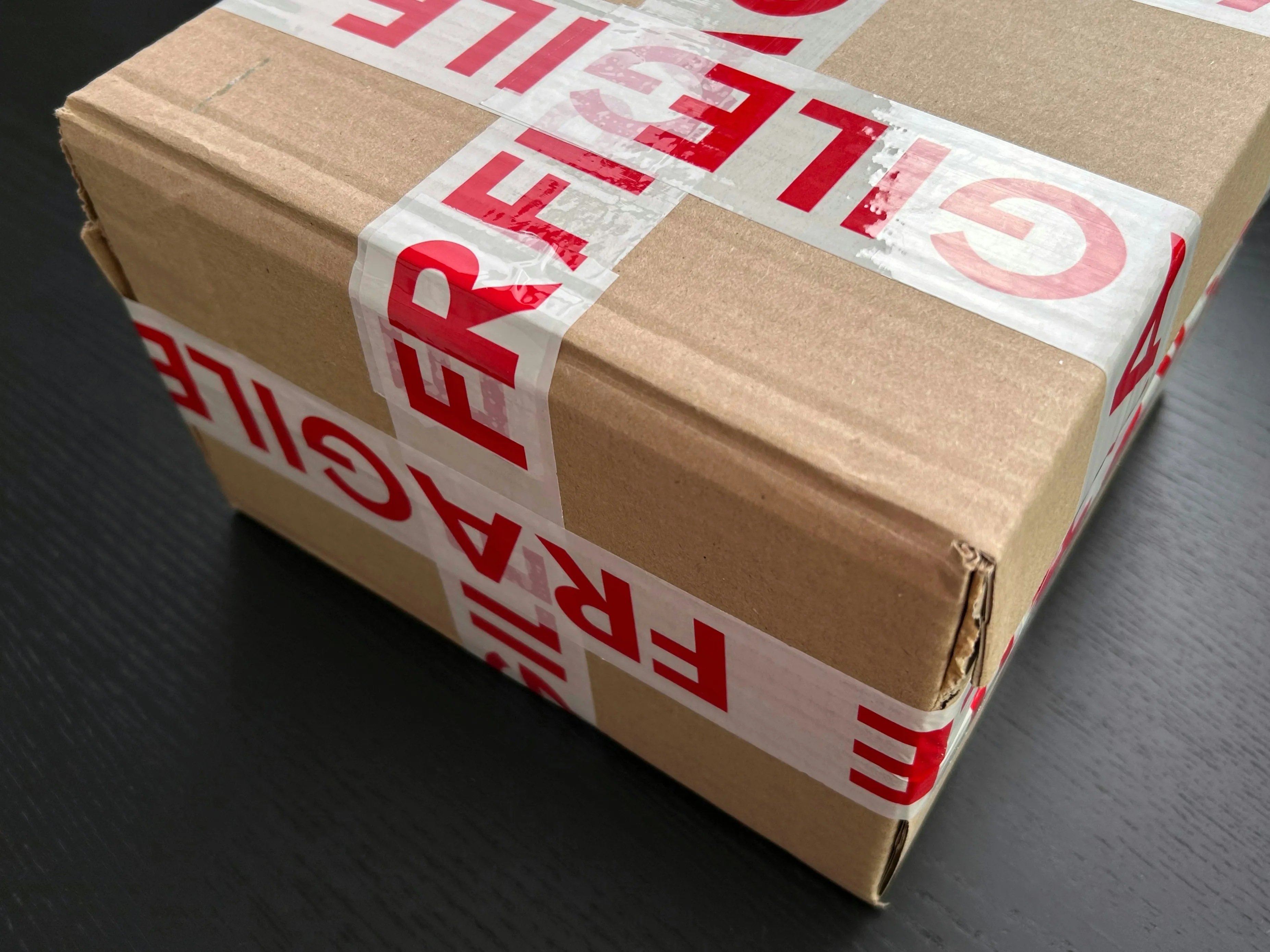
Moving is the beginning of a wonderful new chapter, and seeing your cherished belongings arrive safely makes the transition even more joyful. The secret to a smooth move isn't just about being careful—it’s about using smart, proven techniques that give you total peace of mind. By spending a few extra moments on the right packing methods, you ensure that everything from your daily coffee mugs to your most precious family heirlooms arrives ready to brighten up your new home.
This guide is designed to help you succeed, covering the best supplies to use, professional wrapping secrets for every delicate item, and the best way to load your boxes for a worry-free journey.
Packing materials you need
To pack fragile items safely, start with sturdy boxes, wrap each piece individually in bubble wrap or packing paper, and fill every empty space with packing peanuts or crumpled paper. Heavier items go on the bottom, plates stand vertically, and everything gets secured so nothing shifts. For delicate pieces, double-boxing—placing a wrapped item in a small padded box, then putting that box inside a larger one with more cushioning—adds extra protection.
New cardboard boxes hold up better than used ones. For heavy dishes or glassware, dish pack boxes have double-walled construction that handles weight without buckling. Bubble wrap with small bubbles protects better than large-bubble wrap. Two-inch clear packing tape in an H-pattern—one strip along the center seam plus one strip along each edge—keeps boxes from blowing out under weight.
How to wrap fragile items
Every fragile item gets its own wrapping—even two items wrapped together can crack against each other. Lay the piece on the corner of your paper or bubble wrap, fold the material over the top, roll while tucking in the sides, and tape it closed.
Handles, spouts, stems, and corners break first because they stick out and catch impacts. For hollow items like mugs and vases, stuff crumpled paper inside before wrapping the outside. The paper absorbs vibration that would otherwise rattle around the empty space.
How to pack dishes and glassware
Wrap each plate separately, then stand them vertically in the box like vinyl records. Plates packed flat stack pressure on the weakest point—the center—while vertical plates distribute weight along their edges, which are stronger.
Cell dividers create individual compartments inside a box and keep glasses from knocking into each other. Stuff crumpled paper inside each glass first, wrap the outside, then place it upside down in its compartment. The rim is the weakest part, and facing it down into the padding protects it.
How to Pack Electronics and TVs
If you kept the original box, use it—manufacturers design that packaging specifically for the product. Without the original, specialty TV boxes or thick moving blankets work as alternatives. Keep the screen upright during transport. Laying a TV flat puts stress on the panel and can cause cracks.
Back up your data before packing computers. Wrap devices in anti-static material first, then add bubble wrap as an outer layer. Wrap cords separately and label them with the device name.
How to pack artwork and mirrors
Tape an X across the glass with painter's tape. If the glass breaks, the tape holds the shards together instead of letting them scatter. Wrap the whole piece in bubble wrap, add cardboard corner protectors, and slide it into a picture box or sandwich it between two pieces of cardboard taped together.
Always move mirrors and glass tabletops standing upright, never flat. When glass lies flat, any pressure concentrates in the center where it's weakest.
For unframed canvas paintings, lay acid-free paper against the painted side first as a barrier, then wrap with bubble wrap over that.
How to prevent items from shifting in boxes
Movement inside boxes causes most breakage. Start with a 2-inch padding layer on the box bottom, fill every gap between items, and add padding on top before sealing. Do the shake test—gently shake the sealed box. If you hear or feel movement, open it and add more filler.
How to load fragile boxes
Load fragile boxes last so they're first out. Heavy boxes go on the bottom tier, fragile boxes go on top. Never stack anything heavy on a box marked fragile. Use straps to hold your load in place, and fill gaps with soft items like pillows and blankets to keep everything snug.
Common mistakes to avoid
Heavy boxes are harder to carry and more likely to get dropped. If you can't lift a box comfortably, it's too heavy. That first layer of padding matters—without it, setting the box down hard sends the impact straight into whatever's at the bottom. Oversized boxes leave too much empty space, and items shift around even with padding. A snug fit with cushioning on all sides works better.
Same day moves available!
We'll get you moving today.