How to Pack Dishes for Moving Without Breaking Them

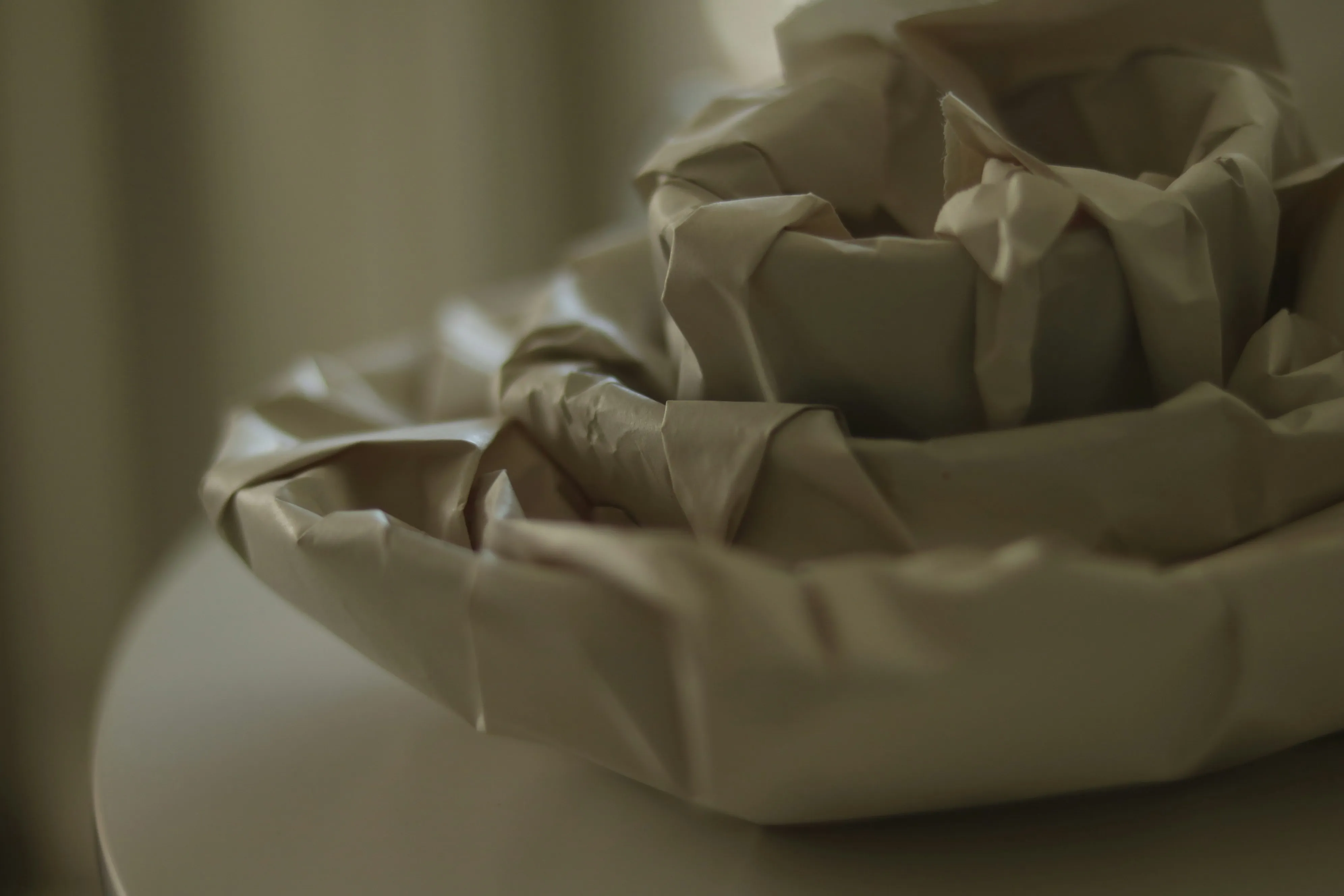
Moving day is an exciting fresh start, and with just a little extra care, your favorite kitchenware can arrive at your new home as pristine as the day you bought it. While fragile items need a bit of attention, keeping your dishes safe is all about using the right technique. By mastering a few simple packing habits, you can turn unpacking into a celebration of your new space, ensuring every plate and glass is ready for your first home-cooked meal.
What you need to pack dishes safely
To pack dishes for moving, wrap each item individually with packing paper, place them vertically in small sturdy boxes, and fill every gap with crumpled paper or towels so nothing shifts.
Dish boxes are made with thicker cardboard than regular moving boxes and handle the weight of ceramics and glass without the bottom giving out. Cell dividers create individual compartments and work especially well for glasses and stemware.
Packing paper is the workhorse of dish packing—clean, ink-free, and flexible. Bubble wrap adds extra cushioning for fine china, crystal, or anything with sentimental meaning. For everyday dishes, packing paper alone usually does the job. Kitchen towels, dishcloths, and clean t-shirts all work as alternatives.
Reinforce the bottom of every dish box with an extra strip of tape running perpendicular to the seam. Write "Fragile" and "This Side Up" on multiple sides of each box.
How to prepare your dishes before packing
Clean your dishes before you wrap them. Dried food residue can attract pests during storage or a long-distance move. Sort your dishes by type and fragility, and pull out chipped items or pieces you haven't used in years.
How to wrap and pack dishes for moving
The goal of wrapping is simple: prevent any dish from touching another dish directly. That contact point is where chips and cracks happen.
Clear off a flat surface and lay out a stack of packing paper. Place one dish in the center of a sheet, fold each corner up and over until it's completely covered, then tuck the edges underneath. Every surface of the dish gets a layer of paper between it and whatever it touches next.
Once you've wrapped several dishes of the same size, group them into a bundle of four or five and wrap together with an additional layer of paper or bubble wrap.
Pack plates vertically on their edges
Line the bottom of the box with crumpled packing paper or a folded dish towel. Here's where most people go wrong: they stack plates flat. The problem is that the weight of the top plates presses down on the bottom ones, and over a bumpy drive, that pressure can cause cracks.
Instead, place wrapped plates on their edges, like records in a crate. This vertical position distributes pressure across the rim of each plate rather than concentrating it on the bottom dish. Stuff crumpled paper, towels, or socks into any empty spaces so nothing can shift. Add one more layer of padding on top before you seal the box.
Pack glasses and cups carefully
Glasses and cups are hollow, which means they can collapse inward under pressure. Crumple a piece of packing paper and tuck it inside the glass before you wrap the outside. This internal support helps the glass hold its shape.
Wrap paper around the entire glass, including the rim. For mugs with handles, add extra paper around the handle—handles are the most common break point. Position glasses rim-side down or standing upright in the box. Cell dividers help because each glass gets its own compartment.
Pack stemware with extra protection
Stemware is the most fragile category of dishware. Start by wrapping extra paper around the stem alone, then wrap the bowl of the glass. Cell dividers keep each glass isolated so they can't knock into each other during the move. Place wine glasses and champagne flutes rim-down in the box—this puts the weight on the sturdier base rather than the delicate rim.
How to pack pots, pans, and appliances
Nest smaller pots inside larger ones with a sheet of packing paper between each pot to prevent scratching. Wrap lids separately and protect non-stick coatings with an extra layer of paper or a dish towel.
Blenders, toasters, and coffee makers travel best in their original boxes. If you don't have the original box, wrap the appliance in bubble wrap, secure loose cords with rubber bands, and pack it in a snug-fitting box with padding on all sides.
Extra tips to prevent dish breakage
Keep dish boxes on the smaller side. Heavy boxes are more likely to be dropped and break open from the bottom. If you struggle to lift a box comfortably, take a few items out and start a second box.
Write "FRAGILE" and "THIS SIDE UP" on at least two sides of each dish box. Place dish boxes on top of heavier, sturdier items in your truck or trailer to prevent crushing. When you arrive, unload dish boxes first.
Keep Your dishes safe from packing to delivery
Proper packing protects your dishes, but safe transport matters just as much.Our Diamond Moving package includes professional packing and fragile item wrapping, so your dishes are handled by experienced movers from the moment they leave your cabinet.
Frequently asked questions about packing dishes for moving
How many dishes can I safely fit in one box?
Stop adding dishes when the box feels heavy. If you can't lift it comfortably with both hands, it's too full.
Can I pack dishes without packing paper?
Yes. Clean kitchen towels, t-shirts, cloth napkins, and socks all work as alternatives. Avoid newspaper because the ink transfers onto dishes.
Should I wrap pots and pans when moving?
You don't need to wrap them as heavily as dishes, but placing packing paper between nested pots prevents scratching, especially for non-stick surfaces.
How do I pack china and heirloom dishes?
Use bubble wrap instead of packing paper, wrap each piece individually with extra padding, and consider double-boxing valuable items.
Focus on your new kitchen, not the packing paper
Packing a kitchen correctly is a labor of love—and a lot of hours. While these tips will help ensure your favorite mugs and heirloom china arrive in one piece, you don't have to spend your entire weekend elbow-deep in packing paper. Our professional team specializes in the "delicate stuff," giving you back your time so you can focus on planning that first dinner party in your new home.
Moving soon? Call Flex Moving & Storage for a free quote today!
Same day moves available!
We'll get you moving today.